Understanding the Psychology of Bluffing
Bluffing is a fundamental aspect of poker that relies heavily on the psychological interplay between players. It is essential to grasp that poker is not just a game of cards; it is a game of people. Understanding the motivations and emotions of your opponents can place you at a significant advantage. Players often exhibit behavioral cues that can hint at whether they are holding strong hands or bluffing themselves, especially when playing at an ontario casino fast withdrawal where quick decisions are crucial. Learning to identify these signs can help you make informed decisions about when to bluff and when to call a bet.
The psychology of bluffing also extends to your own behavior at the table. It’s crucial to maintain a consistent demeanor, regardless of the strength of your hand. If you reveal nervousness or excitement when holding a strong hand, savvy opponents may catch on. Practicing a “poker face” while bluffing can often conceal your true intentions. Therefore, developing self-control and understanding your emotional responses can play a vital role in executing successful bluffs.
Moreover, the timing of your bluff is crucial. Choosing the right moment to execute a bluff can make all the difference between success and failure. Assessing the dynamics of the game, including the betting patterns of your opponents and the texture of the community cards, can assist you in determining the optimal time for a bluff. For instance, bluffing in a situation where the board shows potential for strong hands can create a more believable storyline. Ultimately, mastering the psychological aspect of bluffing enhances your overall gameplay.
The Importance of Position in Bluffing
Your position at the poker table has a substantial impact on your ability to bluff effectively. Players sitting in late positions have an advantage because they can observe the actions of their opponents before making their own decisions. This information can help you gauge the likelihood of successful bluffs. In contrast, players in early positions often lack this information, making it riskier to attempt a bluff without sufficient data about other players’ hands.
For instance, bluffing from a late position, particularly when facing fewer players, can yield better results. If the earlier positions have checked or folded, you may be able to capitalize on their perceived weakness with a well-timed bluff. Conversely, if you are one of the first to act, your bluff may come across as more desperate, making it less credible. Thus, understanding the strategic implications of your position can guide your decisions when considering a bluff.
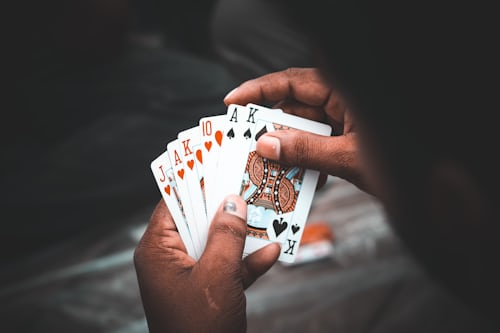
Furthermore, the concept of ‘bet sizing’ in relation to your position cannot be overlooked. A well-sized bet can add credibility to your bluff and can significantly influence your opponents’ decision-making. For example, a larger bet can indicate strength, potentially convincing opponents to fold their weaker hands. Conversely, a smaller bet might not convey the same sense of urgency. Adjusting your bet size depending on the dynamics at play further enhances your bluffing strategy and overall effectiveness in poker.
Reading Your Opponents
Successful bluffing in poker heavily relies on the ability to read your opponents. Each player has a unique style and set of tendencies that can be leveraged to inform your strategy. Observing how they react to various scenarios provides insight into their possible hands. Some players may regularly fold to aggressive bets, while others may call down with weak hands. By identifying these patterns, you can tailor your bluffing approach to capitalize on their tendencies.
Additionally, emotional intelligence plays a crucial role in reading opponents. Some players may exhibit physical tells—nervous habits or changes in posture—that reveal information about their hand. For example, a player who suddenly becomes tense when facing a significant bet might be hesitant about their hand. Conversely, a relaxed demeanor while betting aggressively could suggest strength. Developing keen observational skills can make you more adept at detecting these subtle cues, thereby improving your bluffing opportunities.
Practicing active listening is equally important in this facet of the game. Paying attention to how players communicate and engage in the game can provide deeper insights. Players may express confusion or frustration that hints at their level of confidence. By integrating these observations into your strategy, you can identify the most opportune moments to execute a bluff while minimizing the risk of running into a stronger hand. Ultimately, reading your opponents effectively sharpens your approach to bluffing.
Strategies for Effective Bluffing
Implementing a variety of bluffing strategies can enhance your effectiveness in poker. One common technique is the ‘semi-bluff,’ where you bluff with a hand that has potential to improve, such as a drawing hand. This approach allows for a fallback option; if your bluff is called, you can still hope to complete your drawing hand. For example, if you have four cards to a flush, betting aggressively can force a player to fold, while also giving you the chance to win the pot if you complete your flush.
Additionally, understanding the concept of ‘table image’ is vital for successful bluffing. Your perceived playing style among opponents can influence how they react to your bluffs. If you have built a solid image by playing tight and aggressive, opponents may be more likely to take your bets seriously. Conversely, if you’ve been caught bluffing frequently, your credibility may suffer, making future bluffs less effective. Striking a balance between aggressive plays and well-timed bluffs can cultivate a strong table image.
Lastly, applying the ‘three-barrel bluff’ strategy can be effective in deeper stacks. This technique involves betting on the flop, turn, and river, creating a convincing story that you have a strong hand. However, it requires careful consideration of the board texture and your opponents’ tendencies. A well-executed three-barrel bluff can unsettle your opponents and push them to fold, but it can also be risky if they perceive your actions as a bluff and call you down. Therefore, understanding when to use this strategy can greatly impact your overall success in bluffing.
Your Path to Becoming a Bluffing Master
Becoming proficient at bluffing in poker is a journey that demands practice and reflection. One effective way to hone this skill is through regular gameplay in various settings, whether at home games or online platforms. Each scenario presents unique challenges and learning opportunities. It’s vital to review your sessions afterward, analyzing your decisions and the outcomes of your bluffs. Such reflection will help you understand what worked and what didn’t, allowing for continual improvement.
Additionally, learning from other players can accelerate your learning curve. Engaging with poker communities, reading books, and watching instructional videos can provide invaluable insights into advanced bluffing techniques. Observing how seasoned players approach bluffing can introduce new strategies and inspire creativity in your own game. Furthermore, discussing hands and experiences with peers can offer different perspectives that might illuminate aspects of your gameplay you had not considered.
Ultimately, mastering the art of bluffing transcends mere techniques; it involves developing a deep understanding of the game, the players, and oneself. Incorporating the lessons from practical experiences, discussions, and strategic studies into your gameplay will empower you to bluff effectively. With dedication and practice, you can enhance your skills and become a formidable player at the poker table.